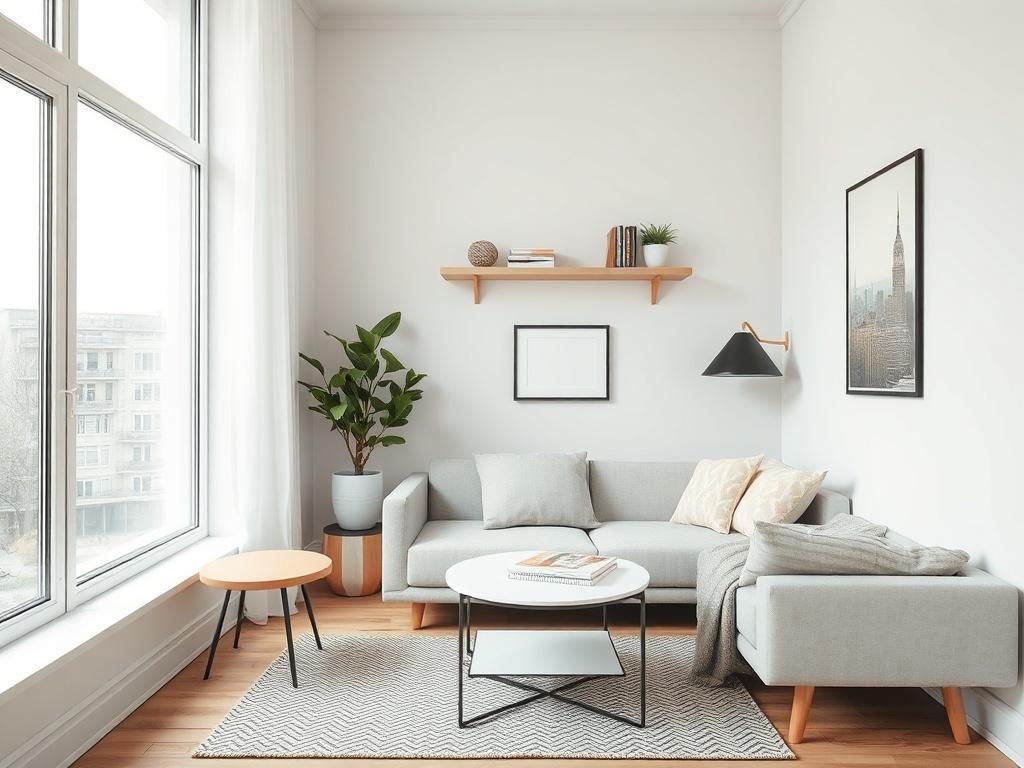
In a world where urban living often means smaller homes, maximizing space is essential for creating comfortable and functional interiors. Discover effective strategies to optimize small spaces in your interior designs by embracing innovative ideas that transform tight quarters into inviting havens. Whether you're working with a studio apartment, a cozy bungalow, or just a room that seems to shrink every time you add a new piece of furniture, this blog post will provide you with practical tips to make the most of your surroundings.
From clever storage solutions that utilize every inch to selecting the right furniture that balances style and functionality, our guide will help you reimagine your space. Additionally, we'll explore design techniques that enhance both light and openness, allowing your small interiors to feel more expansive than ever. Dive in and unlock the potential of your small spaces, turning them into stunning examples of modern, efficient living.
Creative storage solutions to maximize every inch
Maximizing space in small interiors often begins with innovative storage solutions. Use vertical space by installing shelving units that reach the ceiling, providing ample room for books, decorative items, and other essentials. Incorporate multi-functional furniture, such as ottomans with hidden compartments or coffee tables with built-in storage, to keep clutter at bay. Consider using under-bed storage bins or furniture risers to reclaim space you didn't even know you had. Every corner can count, so don't overlook the potential of nooks and crannies—adding floating shelves or hooks can turn unused areas into efficient storage spots.
Another effective strategy involves utilizing the space behind doors and on walls. Installing pegboards or wall-mounted organizers can keep frequently used items accessible while freeing up valuable floor space. Use baskets or decorative boxes on shelves to create a tidy, curated look that promotes organization. Additionally, think about incorporating built-in cabinetry that seamlessly blends into your overall design, providing hidden storage without sacrificing style. By embracing these creative storage solutions, you can transform your small space into a clutter-free oasis, maximizing every inch of your interior while maintaining aesthetic appeal.
Choosing the right furniture for small interiors
Selecting furniture for small spaces requires a strategic approach to ensure functionality and aesthetics coexist harmoniously. Opt for pieces that offer dual purposes, such as a coffee table with built-in storage or a sofa bed that accommodates guests. Embrace furniture with slender profiles; items that are streamlined help prevent the space from feeling overcrowded. Moreover, consider modular furniture designs that allow you to reconfigure layouts as needed, catering to your specific needs while keeping your interior open and airy.
Scale is crucial when furnishing small areas. Choose proportionate furnishings that fit comfortably without overwhelming the room. For instance, rather than bulky armchairs, opt for sleek accent chairs that can easily be moved or tucked away. Transparent materials, like glass or acrylic, can also create an illusion of space by minimizing visual clutter. Prioritize multi-functional designs that suit your lifestyle and maximize your interior's capacity, making the most of every square inch while maintaining a cohesive and inviting atmosphere.
Design techniques that enhance space and light
To truly maximize space in small interiors, strategic design techniques play a crucial role. Utilize mirrors to create an illusion of depth and openness; placing a large mirror opposite a window can reflect natural light and make the room feel larger and more inviting. Additionally, opt for light color palettes for walls and furniture. Soft pastels and whites brighten up the space, while darker colors tend to absorb light and can make rooms feel cramped. Layering different light sources—like ambient, task, and accent lighting—also adds dimension and warmth, enriching the overall atmosphere.
Incorporate multifunctional design elements to enhance the functionality of small spaces. Consider built-in shelves that extend to the ceiling, drawing the eye upward and highlighting verticality. Use transparent materials, such as acrylic furniture or glass shelving, to maintain a sense of openness. Adding plants can introduce life and color, but choose smaller varieties to avoid overwhelming the space. These design techniques not only create an aesthetically pleasing environment but also catalyze a sense of spaciousness, ensuring your small interior feels both comfortable and expansive.